Compare raised, recessed, and directional lawn lights to shape a clearer assortment for retail, distribution, and project sourcing.
A useful lawn lighting assortment should do more than offer different wattages. Product height, mounting style, beam control, and power supply all influence where a fixture fits and how easily buyers can present it. Combining three distinct profiles can make a lawn lighting range easier to navigate for distributors, retailers, and project purchasers.
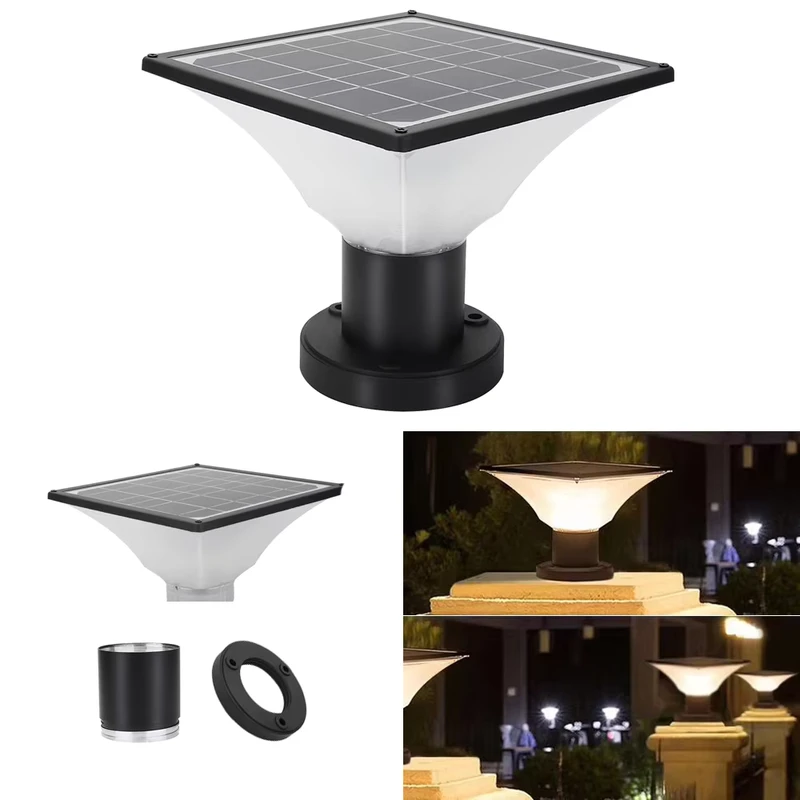
Three Profiles for Different Outdoor Tasks
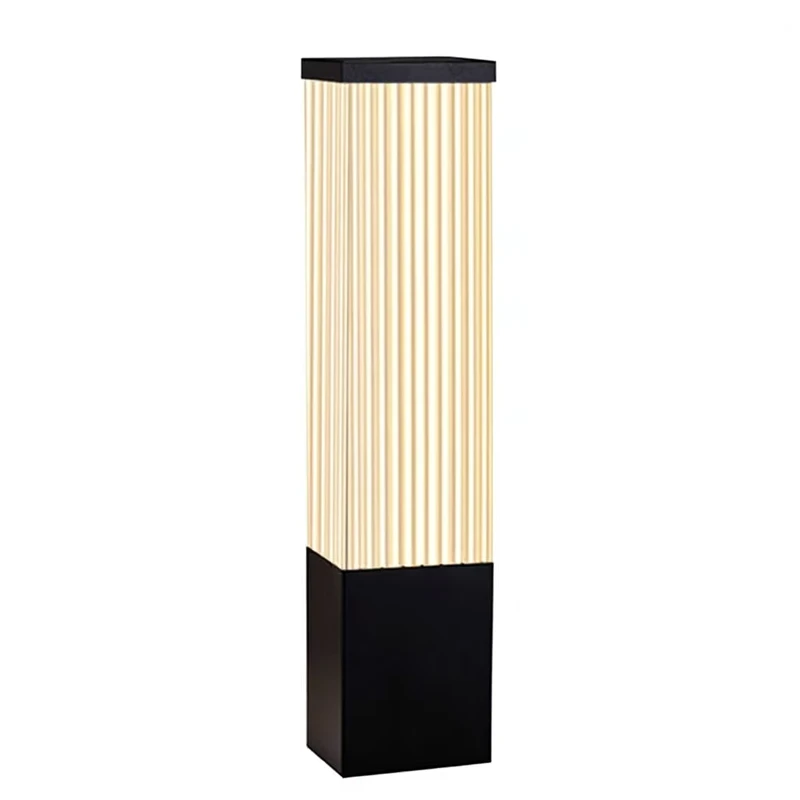
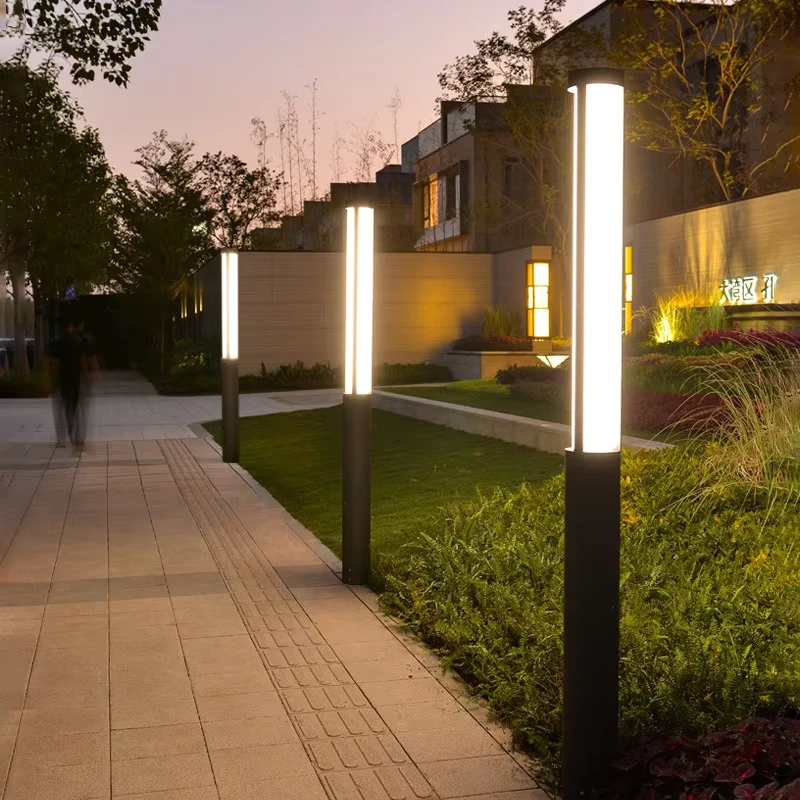
A rechargeable pillar light creates a visible lighting element along lawns, patios, and garden routes. Its 17 cm, 60 cm, and 80 cm height options help buyers address both low-level edging and taller landscape applications. The aluminum-alloy body, IP65 rating, adjustable color temperature, light-sensor control, and stated 50,000-hour lifespan support a practical decorative range.
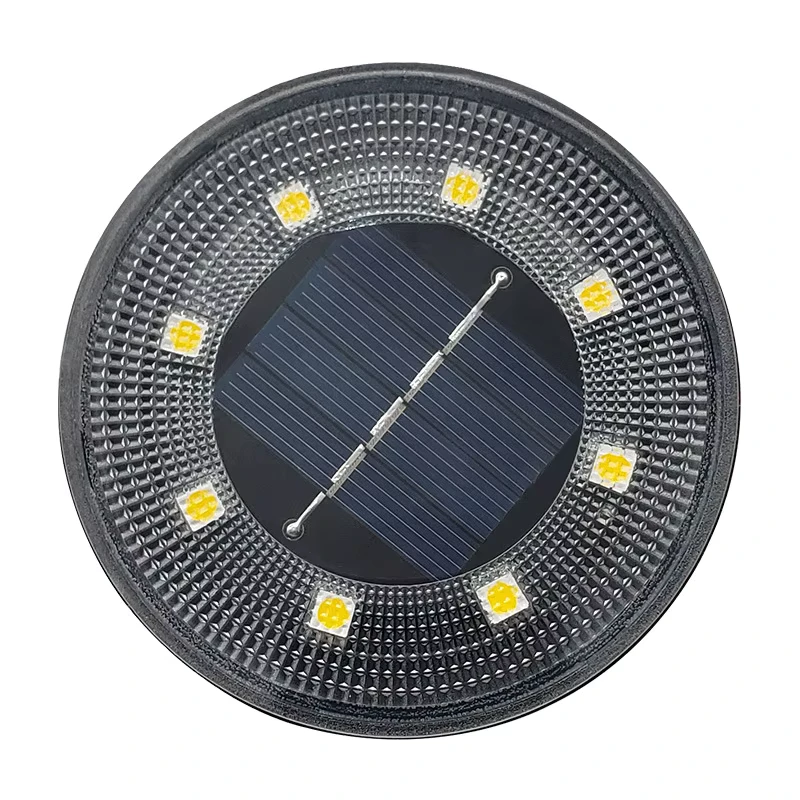
Where a discreet daytime appearance matters, the solar disk light offers a compact ground-mounted alternative. Its 86 mm format sits close to the surface, while IP68 protection suits exposed garden and pathway locations. Thin-film solar charging, an included AA battery, light-controlled operation, and a 2700K–6000K color-temperature range make it relevant for accessible, cable-free product lines.
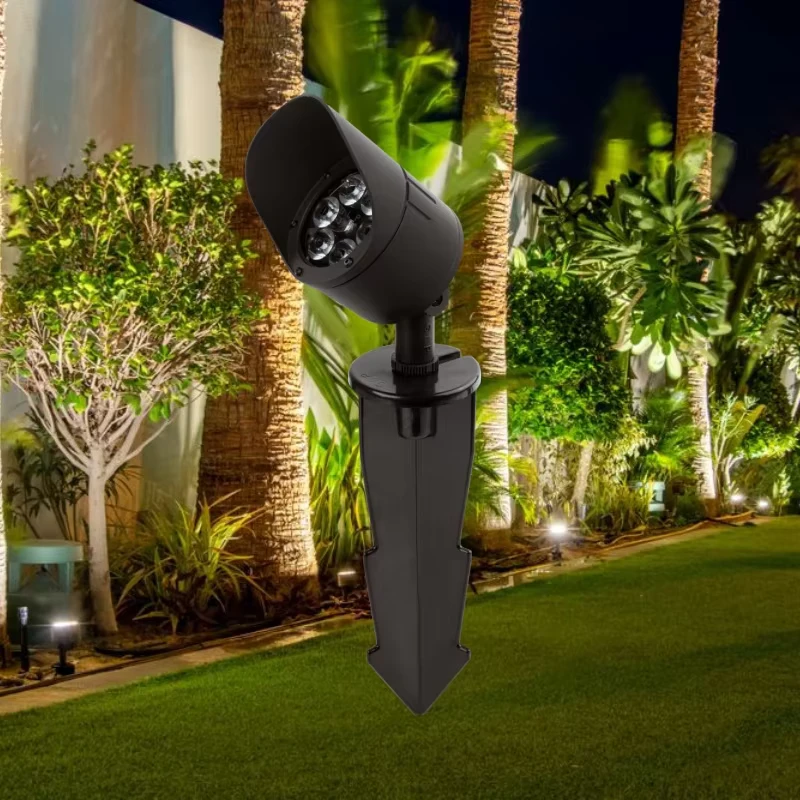
For more controlled illumination, the low-voltage accent light provides an 8.5W, AC 12V solution with a 35-degree beam angle. It combines an IP66 aluminum body with a Nichia LED, 3000K output, CRI 90, remote control, and optional dimming. This specification is suited to highlighting planting, architectural details, or selected landscape features.
Build a More Intentional Assortment
Together, these raised, recessed, and directional formats allow importers to organize offers by application rather than by appearance alone. Buyers can compare installation requirements, environmental protection, light quality, and control methods before selecting suitable models. For wholesale, private-label, or project sourcing discussions, send your target market, expected volume, and specification requirements to begin an informed inquiry.